Why Do My Eyes Feel So Dry And Gritty During College Station Summers?

Why Do My Eyes Feel So Dry And Gritty During College Station Summers?
If your eyes feel dry, gritty, irritated, or tired during the summer in College Station, you are not alone. Hot weather, bright sunlight, wind, air conditioning, and seasonal allergens can all affect the tear film that keeps your eyes comfortable. When that tear film becomes unstable, your eyes may start to feel scratchy, sandy, or like something is stuck in them. At Houser Eye Care, Dr. Jamie Houser helps patients understand what is causing their dry eye symptoms and what can be done to improve daily comfort.
Why Dry Eye Feels Worse In The Summer
College Station summers often bring high temperatures and outdoor activity. Even if you are staying indoors, air conditioning can reduce moisture in the air and cause tears to evaporate faster. Outdoors, sun exposure, wind, pollen, and dust can add to irritation.
Dry eye is not always just about not having enough tears. In many cases, the eyes produce tears, but the tear film is poor quality or evaporates too quickly. This can leave the surface of the eye exposed, causing burning, redness, watering, and that gritty feeling many patients describe.
Common Summer Dry Eye Triggers
Several everyday habits and environmental factors can make dry eye symptoms worse during warmer months:
• Spending long periods in air conditioning
• Being outside in heat, wind, pollen, or dust
• Swimming in chlorinated pools
• Wearing contact lenses for extended periods
• Using digital screens more often during summer breaks or travel
• Not drinking enough water throughout the day
• Skipping sunglasses or protective eyewear outdoors
These triggers can affect people differently, which is why a personalized eye exam is important when symptoms keep coming back.
Is It Dry Eye Or Allergies?
Dry eye and allergies can feel similar, but they are not the same. Allergies often cause itching, swelling, and watery discharge, while dry eye usually causes burning, grittiness, stinging, redness, or fluctuating vision. However, many patients in College Station experience both at the same time.
If your eyes are watering, it may still be dry eye. When the surface of the eye becomes irritated, your body may produce reflex tears. These tears may run down your face but often do not provide the balanced moisture your eyes need for lasting relief.
When To See An Eye Doctor
Occasional dryness may improve with simple changes, but ongoing symptoms should not be ignored. If your eyes feel gritty every day, your vision changes, or over-the-counter drops are not helping, it may be time for a dry eye evaluation. One common cause of ongoing dryness is meibomian gland dysfunction, which happens when the oil glands in the eyelids do not work properly. Without a healthy oil layer, tears can evaporate too quickly and leave the eyes feeling dry, irritated, or sandy.
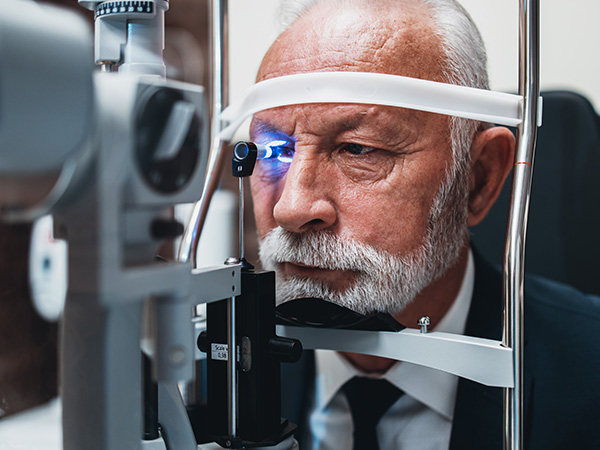
Dr. Houser and our team can examine the surface of your eyes, review your symptoms, and look for factors that may be affecting your tear film, including meibomian gland dysfunction. Treatment recommendations may include lifestyle changes, improved lid hygiene, artificial tears, contact lens adjustments, or additional dry eye care based on your specific needs.
How To Protect Your Eyes During College Station Summers
Small changes can make a meaningful difference. Wearing UV-blocking sunglasses, staying hydrated, taking breaks from screens, and avoiding direct airflow from fans or vents can help reduce irritation. If you wear contacts, proper lens care and wearing time are especially important during hot, humid months.
Schedule a dry eye evaluation with Houser Eye Care to learn more about about personalized treatment options. Visit our office in College Station, TX or book an appointment online today.
Quick Links
Helpful Articles
article_category: products
article_category: psychiatry
article_category: faqs
article_category: cats
article_category: general
article_category: services
article_category: technology
article_category: dogs
article_category: restorative
article_category: vision therapy
article_category: contact lenses
article_category: health
article_category: conditions
article_category: eye surgery co-management
article_category: exotic
article_category: cosmetic
article_category: surgical procedures
article_category: aesthetics
article_category: preventative
article_category: ocular disease management
article_category: eyeglasses
article_category: eye health
article_category: large animal
[]
article_category: psychiatry
article_category: faqs
article_category: cats
article_category: general
article_category: services
article_category: technology
article_category: dogs
article_category: restorative
article_category: vision therapy
article_category: contact lenses
article_category: health
article_category: conditions
article_category: eye surgery co-management
article_category: exotic
article_category: cosmetic
article_category: surgical procedures
article_category: aesthetics
article_category: preventative
article_category: ocular disease management
article_category: eyeglasses
article_category: eye health
article_category: large animal
[]
Flowbite is an open-source library of interactive components built on top of Tailwind CSS including buttons, dropdowns, modals, navbars, and more.
Check out this guide to learn how to get started and start developing websites even faster with components on top of Tailwind CSS.
All Eye Care Services
Find personalized eye care excellence with our comprehensive services. From eye exams to advanced diagnostics, trust us for all your vision needs.

Keep In Touch
For non-urgent questions or to learn more about our services, contact us today!

Quick Links
Contact Info
Hours of Operation
- Coming Soon
- Monday Coming Soon
- Tuesday Coming Soon
- Wednesday Coming Soon
- Thursday Coming Soon
- Friday Coming Soon
- Saturday Coming Soon
- Sunday Coming Soon
- Monday
- Tuesday
- Wednesday
- Thursday
- Friday
- Saturday
- Sunday
- Monday
- Tuesday
- Wednesday
- Thursday
- Friday
- Saturday
- Sunday
© 2026 Houser Eye Care. All rights Reserved - Accessibility Statement - Privacy Policy - Sitemap
Managed and Designed by 